
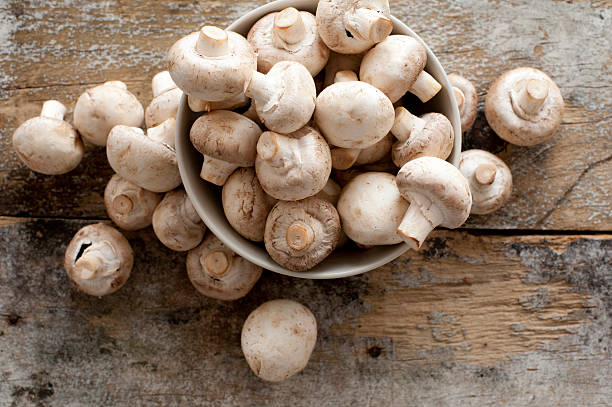
Mushroom Vitamin D
Vitamin D mushrooms, mushrooms rich in Vitamin D, natural source of Vitamin D, UV-exposed mushrooms, Vitamin D2 mushrooms, mushroom nutrition
Mushroom Vitamin D Benefits
Discover how mushrooms become a natural source of Vitamin D through UV exposure and learn how Vitamin D mushrooms can support a healthy, balanced diet.
Vitamin D, often called the sunshine vitamin, plays an important role in bone health, immune support, and overall well-being. While humans can produce Vitamin D through exposure to UVB sunlight, limited sunlight exposure can make dietary sources important.
Mushrooms have a fascinating ability to provide Vitamin D2 when exposed to sunlight or artificial UV light. They naturally contain ergosterol, which is converted into Vitamin D2 through UV exposure. This makes appropriately exposed mushrooms a unique natural source of Vitamin D.
How Mushrooms Naturally Produce Vitamin D
Mushrooms are naturally rich in ergosterol, a compound found in their cellular structure. When mushrooms are exposed to suitable UV light, ergosterol undergoes a natural transformation and produces Vitamin D2.
The Role of UV Light
UV exposure is the key factor that increases Vitamin D2 in mushrooms. Sunlight or controlled UV light can be used after harvesting or during certain stages of mushroom growth. The amount of Vitamin D produced depends on the mushroom variety and exposure conditions.
Which Mushrooms Can Provide Vitamin D?
Not all mushrooms have the same vitamin D potential. Key factors include:
- Species: Some (like shiitake, button, and portobello) are more common and can be treated to boost vitamin D.
- Post-harvest UV exposure: Mushrooms exposed after harvest or during a certain growth phase.
- Drying method: Slow drying at low temperatures helps retain vitamins.
Examples
- Shiitake mushrooms: often used dried, rehydrated, and used in cooking. They contain vitamin D, especially when exposed to UV.
- Button, Cremini, Portobello mushrooms (all Agaricus species): These can accumulate more D2 if treated correctly. Research shows UV-treated Agaricus bisporus increases from low baseline D2 to much higher levels.
Conclusion
Mushrooms Vitamin D is a fascinating example of how nature can transform food through sunlight. When exposed to suitable UV light, ergosterol in mushrooms converts into Vitamin D2. Including mushrooms rich in Vitamin D as part of a balanced diet can be a simple and nutritious way to enjoy this unique food source.